Tashkent → Nairobi
A flight with one connection in Dubai, Doha or Istanbul. Evening arrival in Nairobi, meeting at the airport, transfer to the hotel.
Dinner and an early night: tomorrow we fly on a small plane.
Night: Nairobi

Two million animals, one river, and the twenty minutes people fly to Africa for. Nine days at the peak of the Mara crossings.
Route: NairobiMasai MaraAmboseliNairobi
The Great Migration
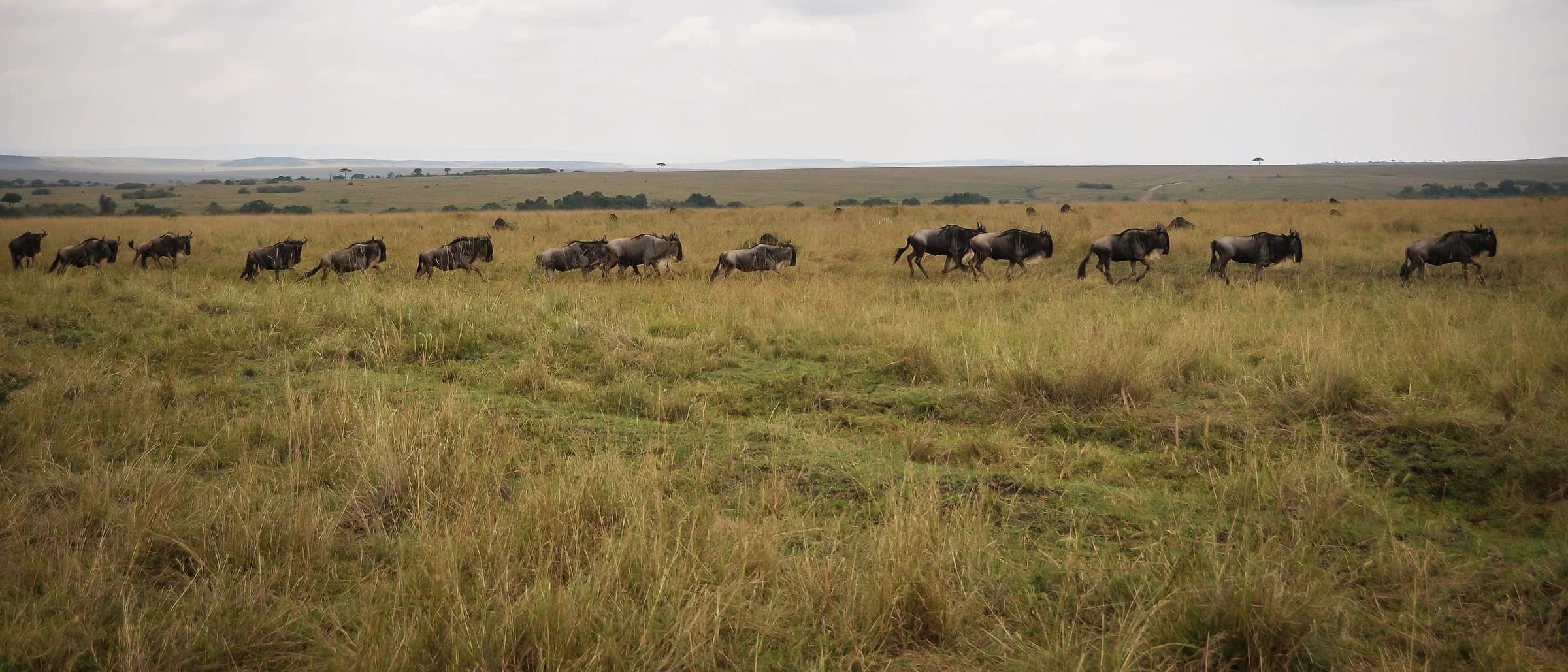
Every year around two million wildebeest, zebras and gazelles walk a vast circle between the Serengeti in Tanzania and the Masai Mara in Kenya. They follow the rain and the fresh grass, and they have done so, generation after generation, for hundreds of thousands of years. Lions, leopards, cheetahs and hyenas follow the herds: the migration feeds the whole ecosystem.
For most of the year it looks ordinary: an endless herd drifting slowly across the savanna. But at one point on the way, the Mara River stands in their path.
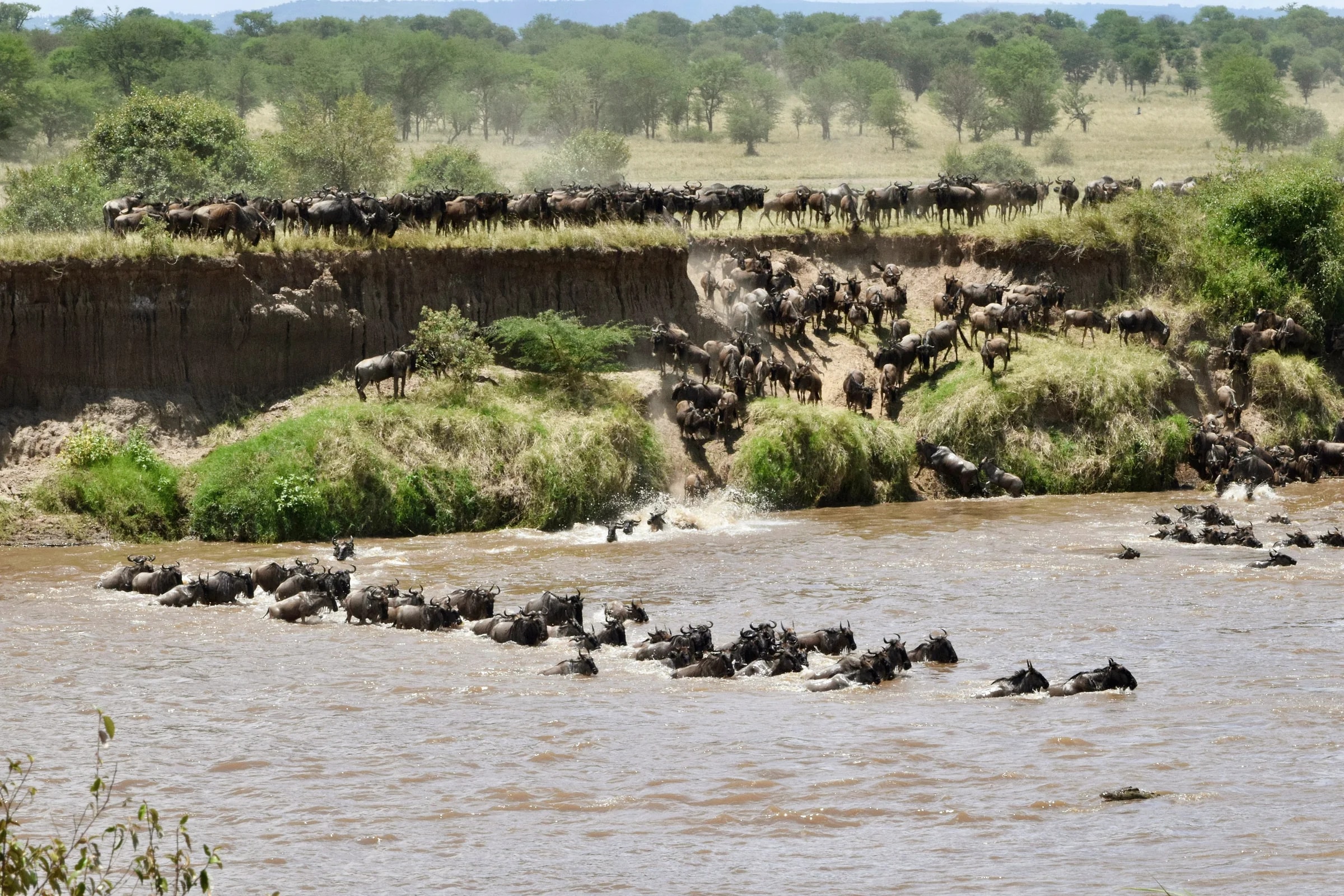
The main event
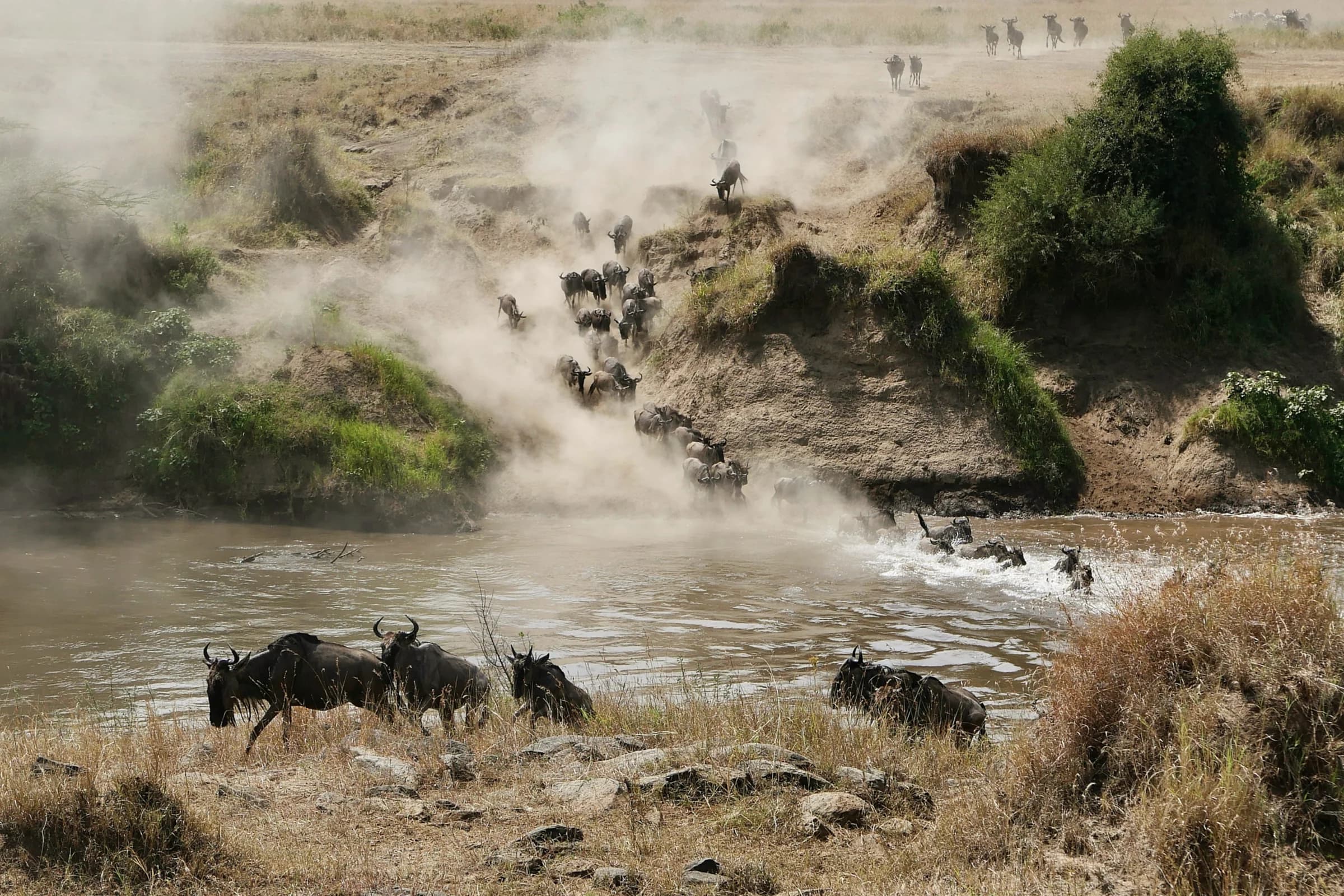
The Mara is not deep, but its banks are steep, the current is fast, and the water is home to Nile crocodiles, four or five metres long, that wait all year for this day. Lions stand on the far bank: they know when the herd arrives too.
The wildebeest walk up to the edge and stop. Sometimes for an hour, sometimes for the whole day. The herd builds up, the tension grows, the animals turn and walk back into the savanna, then return. And then one animal jumps, and in twenty minutes ten thousand go into the water.
The water boils. The roar carries for a kilometre. Some will not reach the other bank.
This is not footage from a documentary and not a show. It simply happens, half a kilometre from your jeep, with no director and no schedule, and it lasts exactly as long as it lasts.
These twenty minutes are why people go to Kenya in August.
Season
The migration goes on all year; the question is where on the circle the herds are. Here is the whole circle.
Our datesThe end of August is the middle of the peak window. The herds have been at the river for a month, crossings happen regularly, and the turn south is still a long way off.
Route
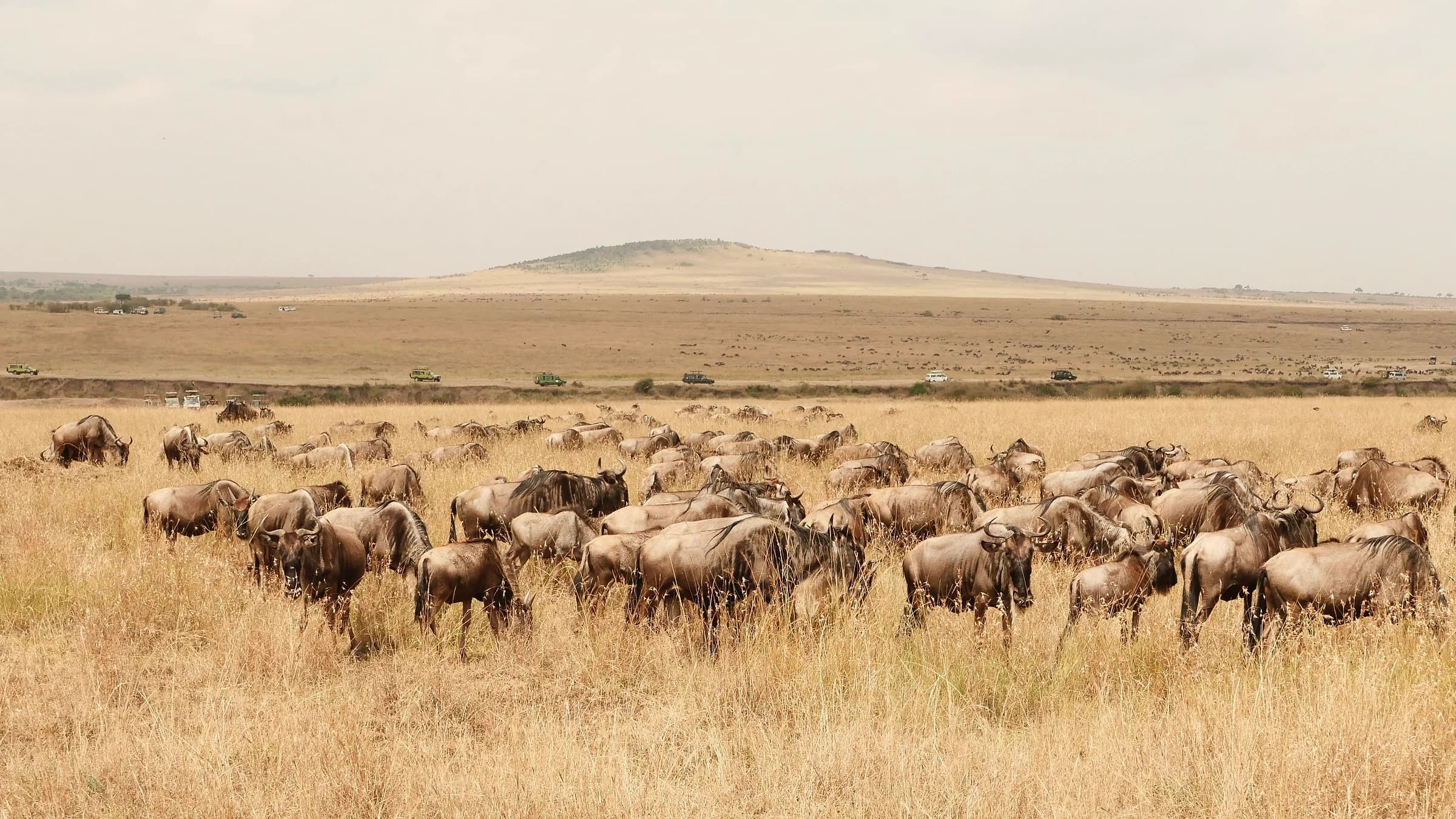
You cannot schedule a crossing for Thursday: you can only wait for it. More days by the water is the only thing that really improves the odds.
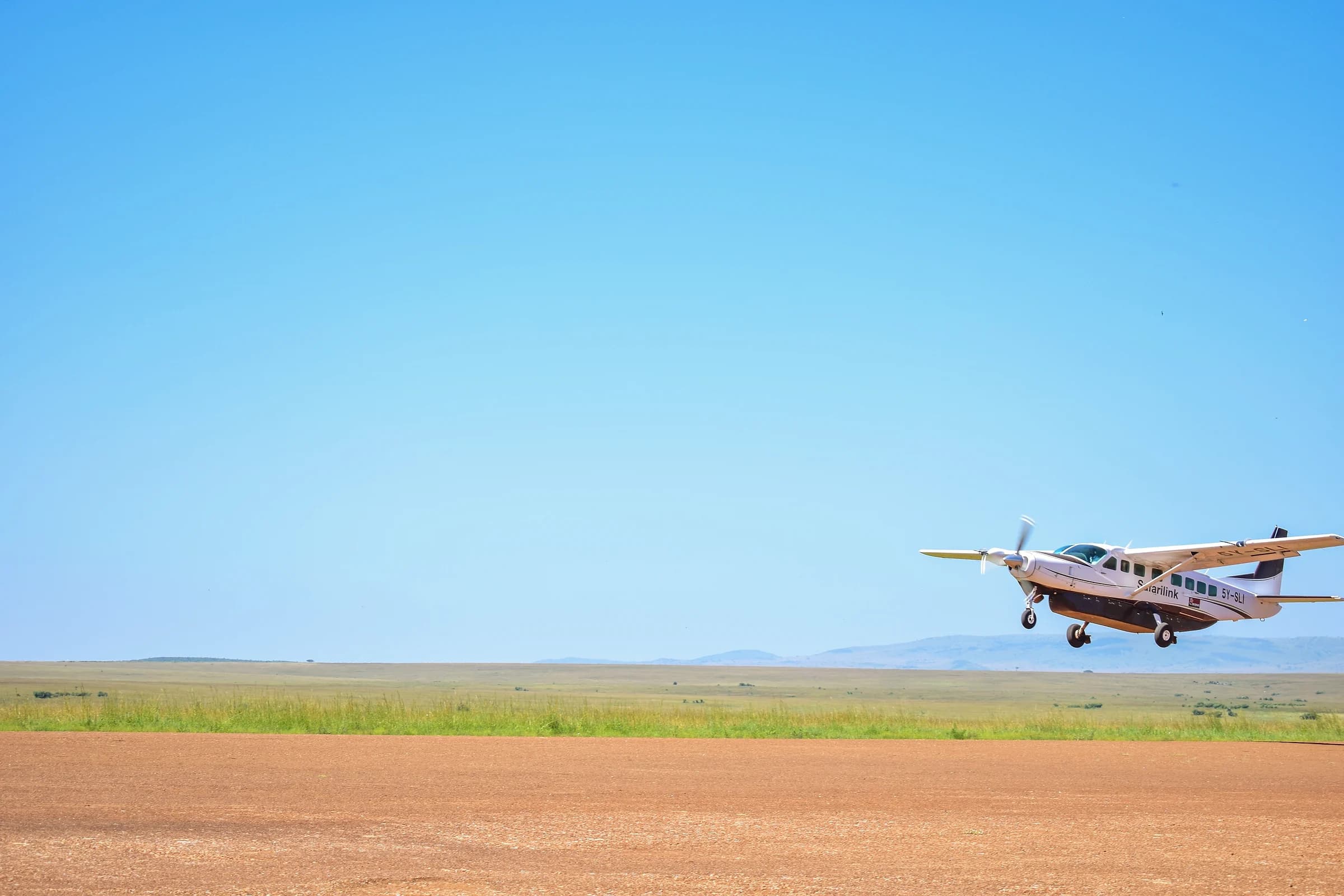
Between Kenya's parks lie hundreds of kilometres of dirt roads. We fly on small planes: Nairobi → Mara takes 45 minutes instead of five and a half hours of bumping along. The time saved goes to safari, not the road.
Flights
Programme
A flight with one connection in Dubai, Doha or Istanbul. Evening arrival in Nairobi, meeting at the airport, transfer to the hotel.
Dinner and an early night: tomorrow we fly on a small plane.
Night: Nairobi
In the morning we drive to Wilson Airport and fly to the Masai Mara on a small plane. Forty-five minutes, with the Great Rift Valley under the wing.
We meet our guide, check into the camp and head out on the first evening drive: towards evening the predators go hunting, and there is no better time of day to get to know the savanna.
Night: safari camp, Masai Mara
We set off at six in the morning, while the savanna is still cold and mist hangs over the grass. We look for the big cats and find out over the radio where the herd is today.
A picnic lunch in the bush under an acacia. In the evening we go back to the river.
Night: safari camp, Masai Mara
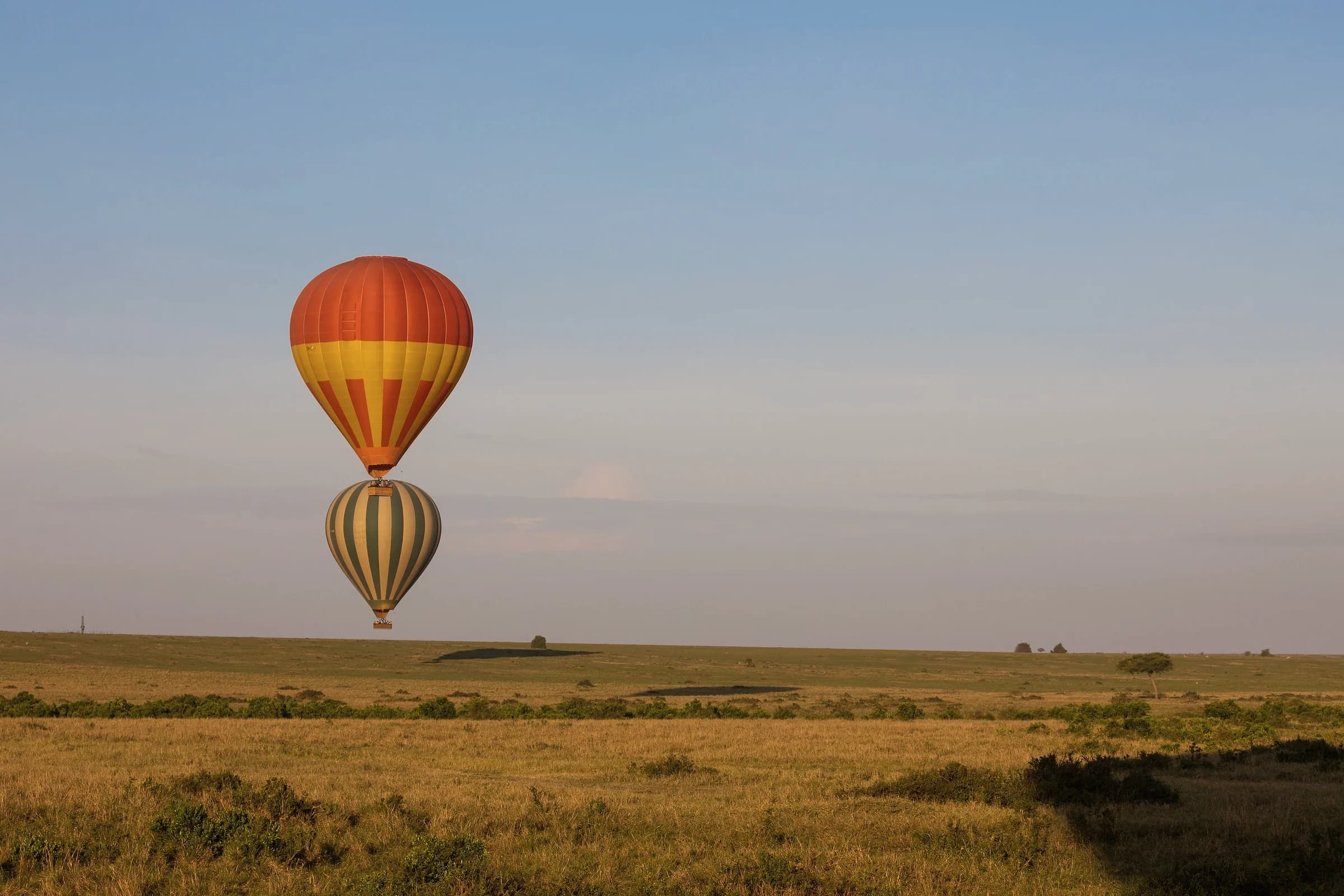
Up at half past four. The balloon is inflated in the dark to the roar of the burner, and we lift off with the first light.
An hour above the savanna. From up there you see not single animals but the whole ribbon of the migration, from horizon to horizon: something you can never see from the ground. The balloon comes down in the grass wherever it can, and breakfast is already laid out right where it lands.
The rest of the day: game drives and keeping watch by the river.
Night: safari camp, Masai Mara
The whole day belongs to the main event. We leave before dawn and take up position on the bank.
The herds come up to the edge, turn, walk away, come back. Sometimes this goes on for hours, and then it all starts within a minute, and everything comes down to the seconds when you are in the right place. We wait as long as it takes: this is the day the whole trip was built around.
Night: safari camp, Masai Mara
A morning drive and goodbye to the Mara. We fly via Nairobi to Amboseli, a park right on the border with Tanzania, famous for the largest elephants in East Africa.
An evening drive across the dry bed of Lake Amboseli.
Night: lodge with a view of Kilimanjaro, Amboseli
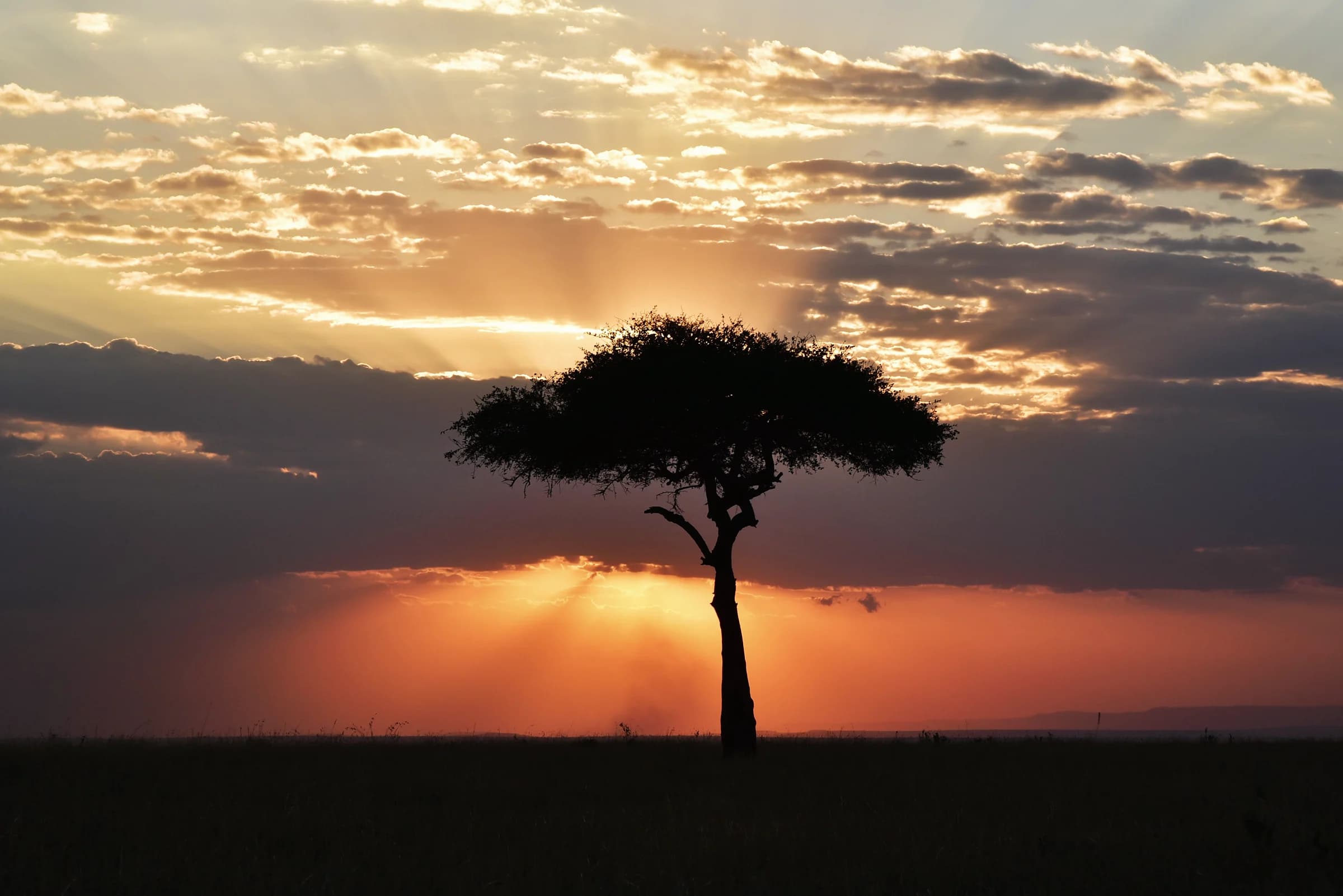
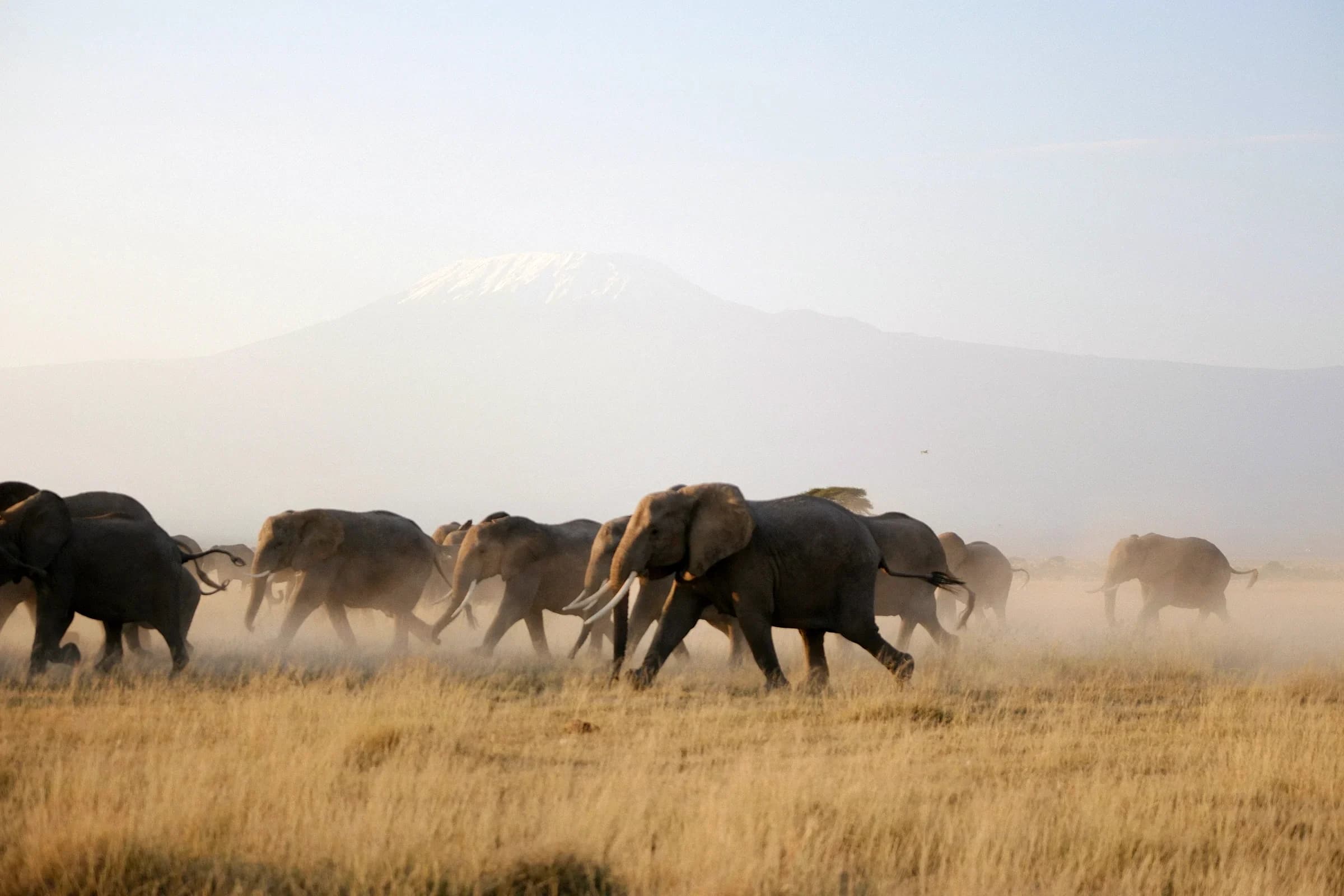
Early morning is the only time of day when Kilimanjaro comes fully out of the clouds. We photograph elephants against the snowy summit: the shot everyone knows.
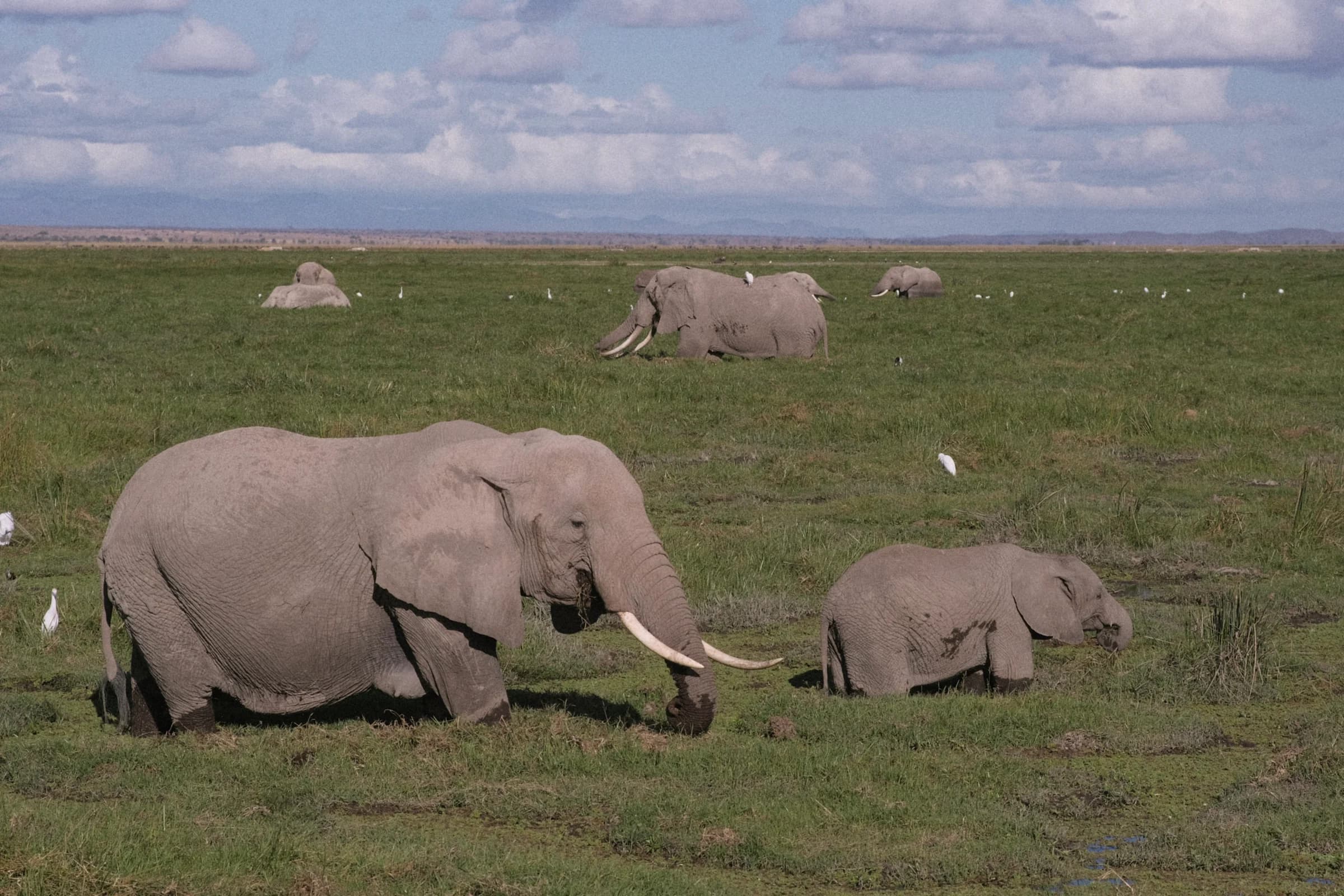
During the day: swamps where elephants stand in water up to their backs, hippos and hundreds of bird species. In the evening, a meeting with the Maasai: not a staged show, but a conversation through an interpreter about how people live side by side with lions.
Night: lodge, Amboseli
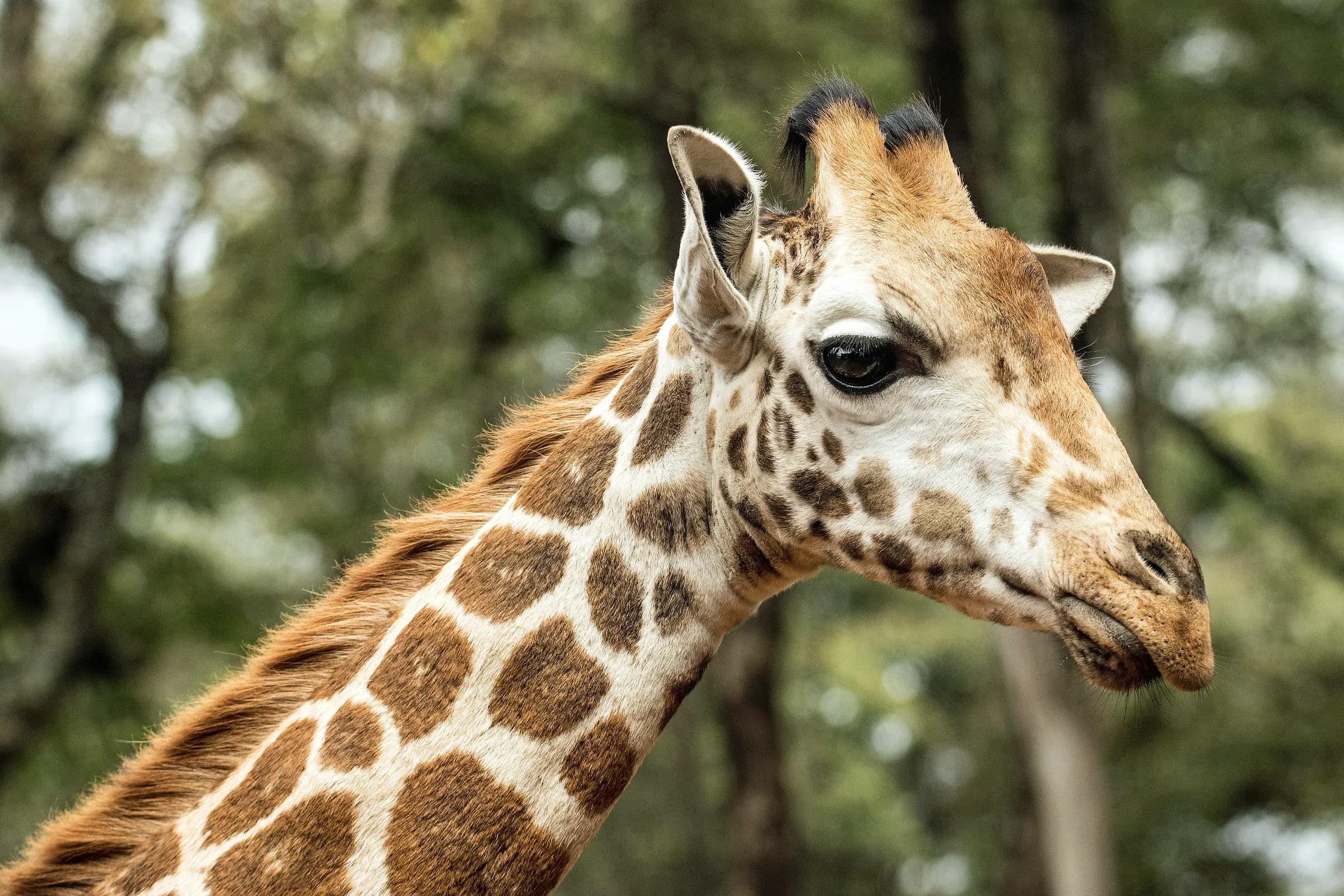
A morning drive, then a flight to Nairobi. The afternoon is for what people really come to Nairobi for.
Farewell dinner.
Night: Nairobi
A free morning or straight to the airport, depending on the flight time. The flight home with one connection.
Accommodation
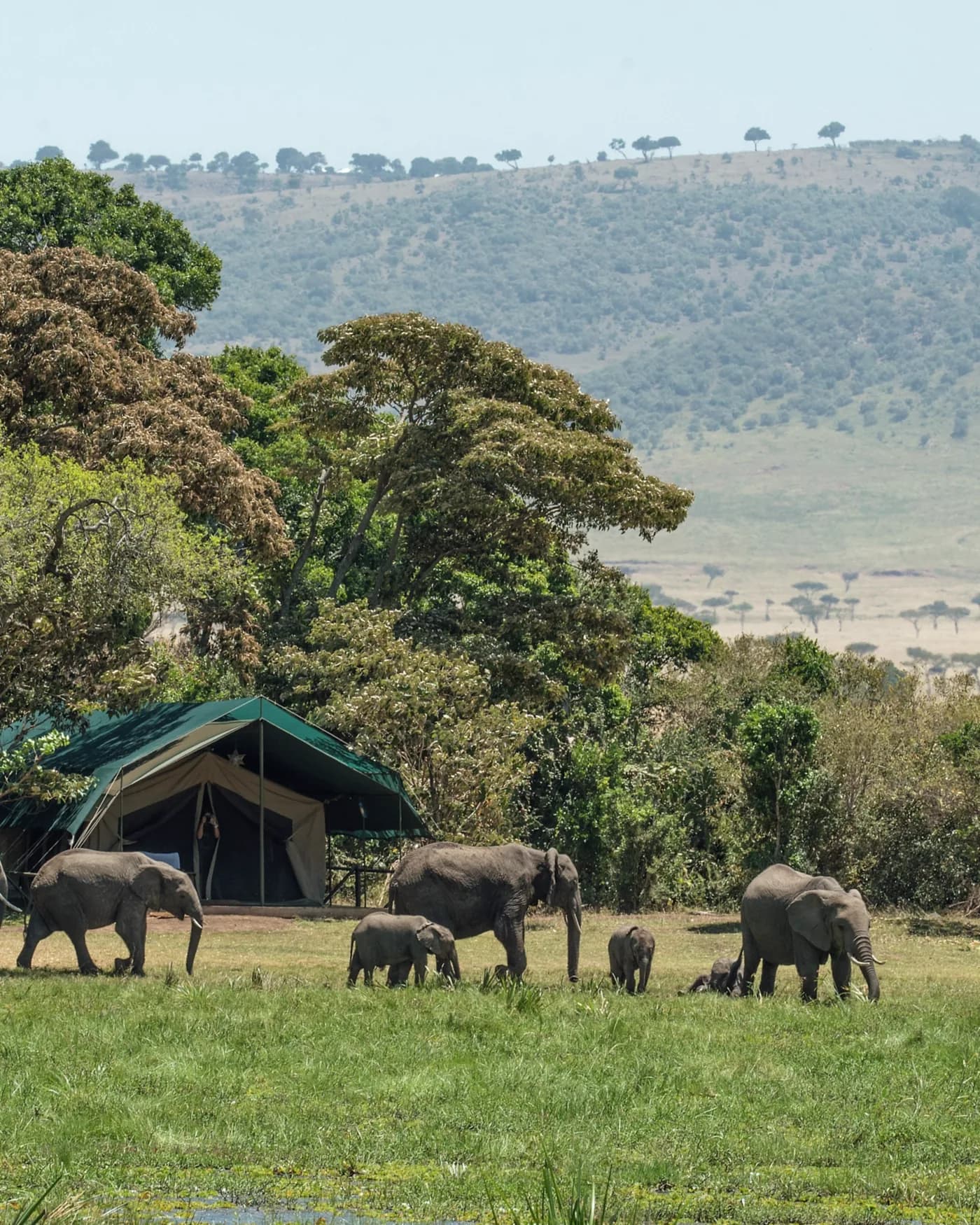
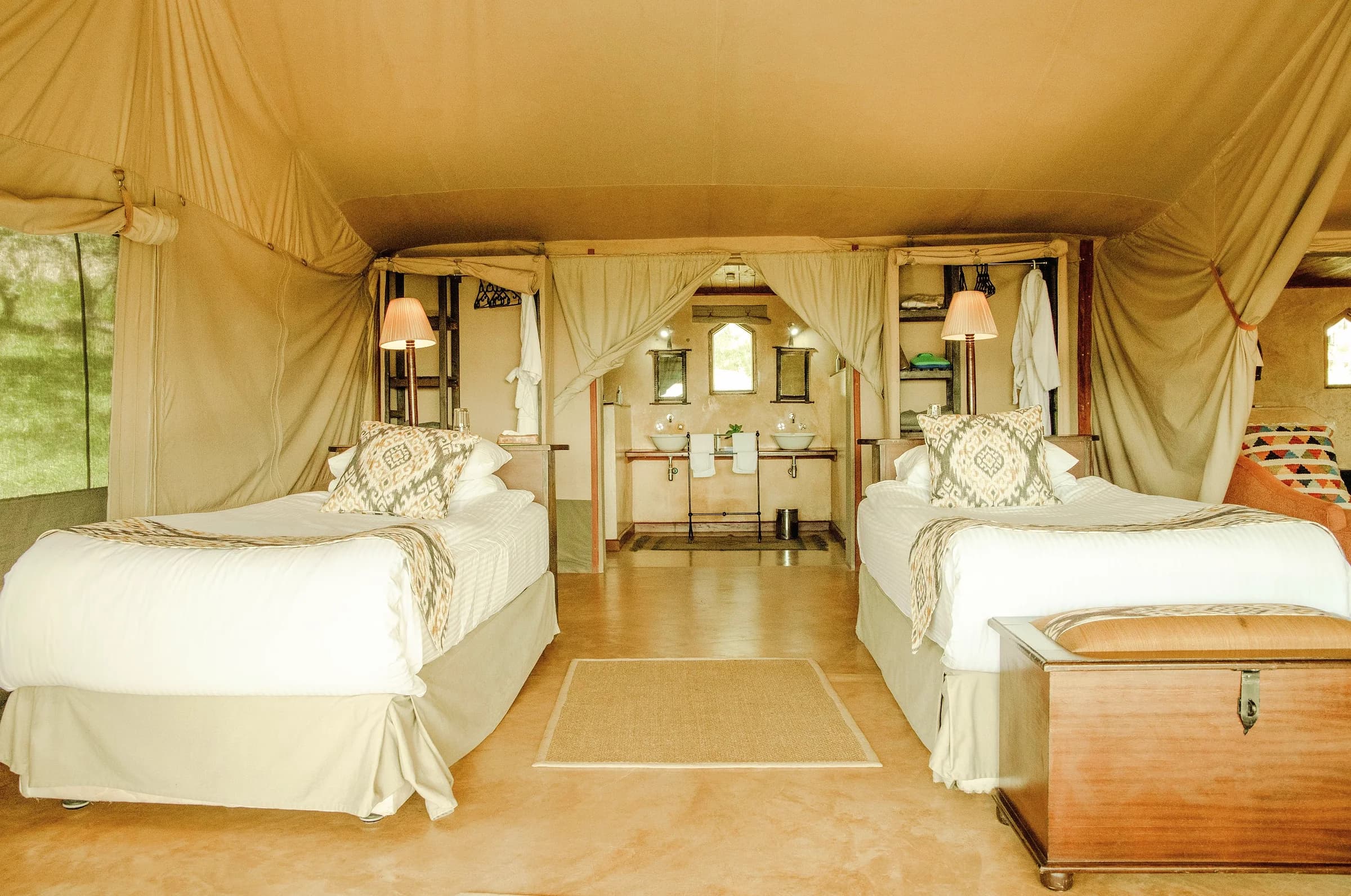
Safari camps inside the reserve and in the private conservancies around it.
What sets this level apart is not the interior but the distance to the animals. You wake up where they walk, and the river is minutes away, not hours. When the herd starts to move, those minutes decide everything.
Why this level
On safari you are not paying for the interior: you spend a few hours a day in your room, and those in the dark. You are paying for the minutes it takes to reach the river when the herd starts to move. Camps a level up give you more comfort, but not more animals. A level down puts you an hour's drive from the action.
The package
Price
on request
Practicalities
Kenya does not require a visa in the usual sense: you need an electronic travel authorisation, the eTA. You apply online, it costs about $30–32, processing takes 24–72 hours, and you can apply from 90 days before the trip up to 3 days before.
We handle itWe apply for the eTA on your behalf. The visa side of the trip is not your concern: it is what we specialise in.
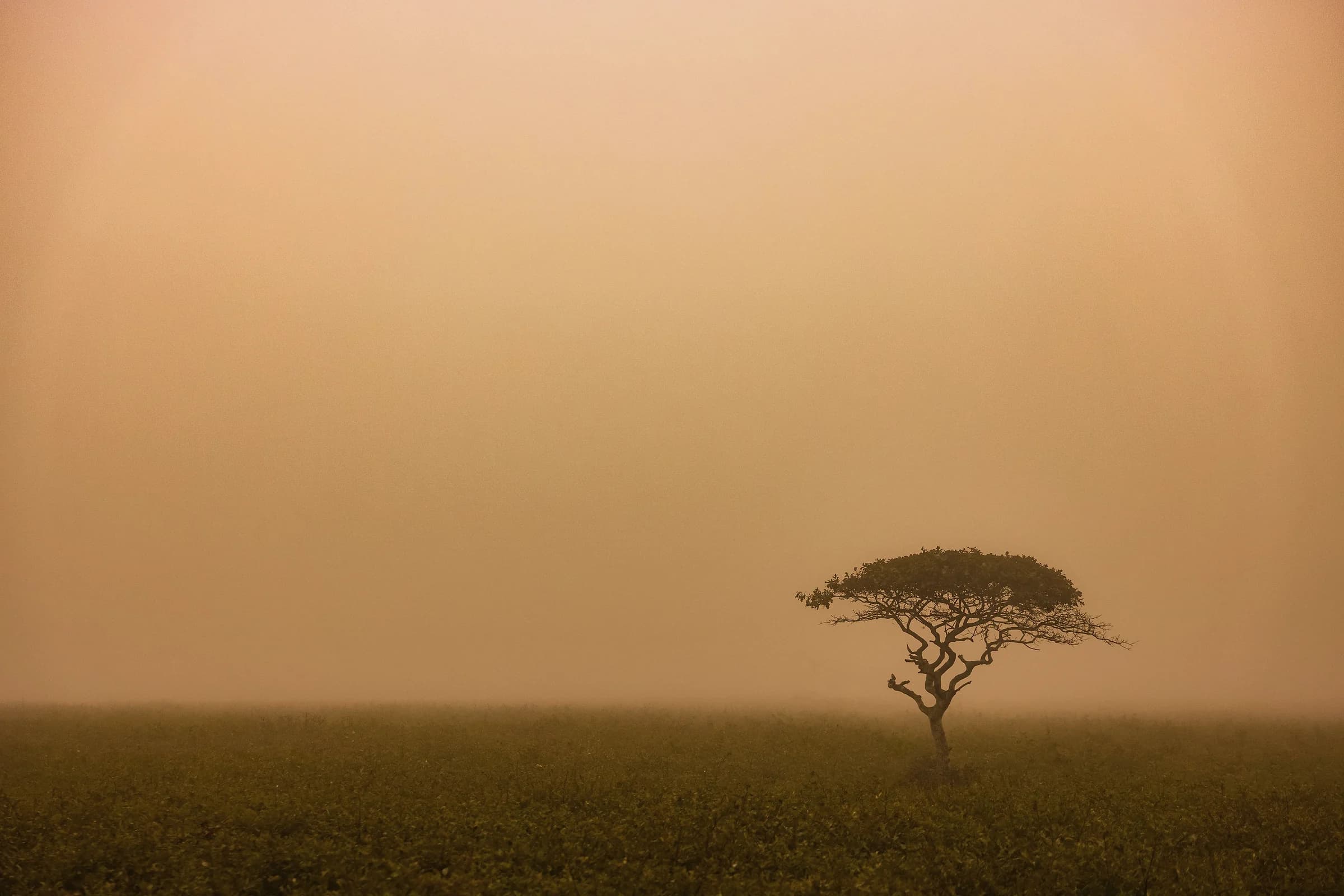
Late August in the Masai Mara is the dry season, the best time for watching wildlife.
The main thing nobody warns you about: +25…+27 by day but +10…+12 at dawn, and you are riding in an open vehicle at speed. Without a warm jacket the morning drive becomes an ordeal.
What to bring
Yellow fever. Flying from Uzbekistan, the certificate is not required. It becomes required after a long connection in a country where the disease is endemic, so we choose a connection that keeps the question from coming up. The vaccine is given once and lasts for life, so it is worth getting anyway: it will be useful for any future trip to Africa.
Malaria. A doctor prescribes the prevention, and it has to start in advance: we will remind you of the timing.
There are no direct flights Tashkent → Nairobi. We fly with one connection in Dubai, Doha or Istanbul.
From 8 years old. The trip ends on 28 August, before the school year starts.
Halal throughout the trip.
The camps handle requests like this without fuss, and it is settled at booking. We get written confirmation before departure, not on arrival.
Honest about the odds
A crossing of the Mara River cannot be guaranteed. August improves the odds, but it does not turn nature into a show with a timetable. The herd can stand by the water for three days and leave. It can cross at night. It can cross twenty kilometres from where you are standing.
Anyone who promises you a crossing on a set day has either never been there or is not telling the truth.
Four nights by the river, not two: more days, better odds
A naturalist guide on the radio: checks every morning where the herd is gathering today, and takes us there
A camp close to the river: so we get there in minutes once it starts
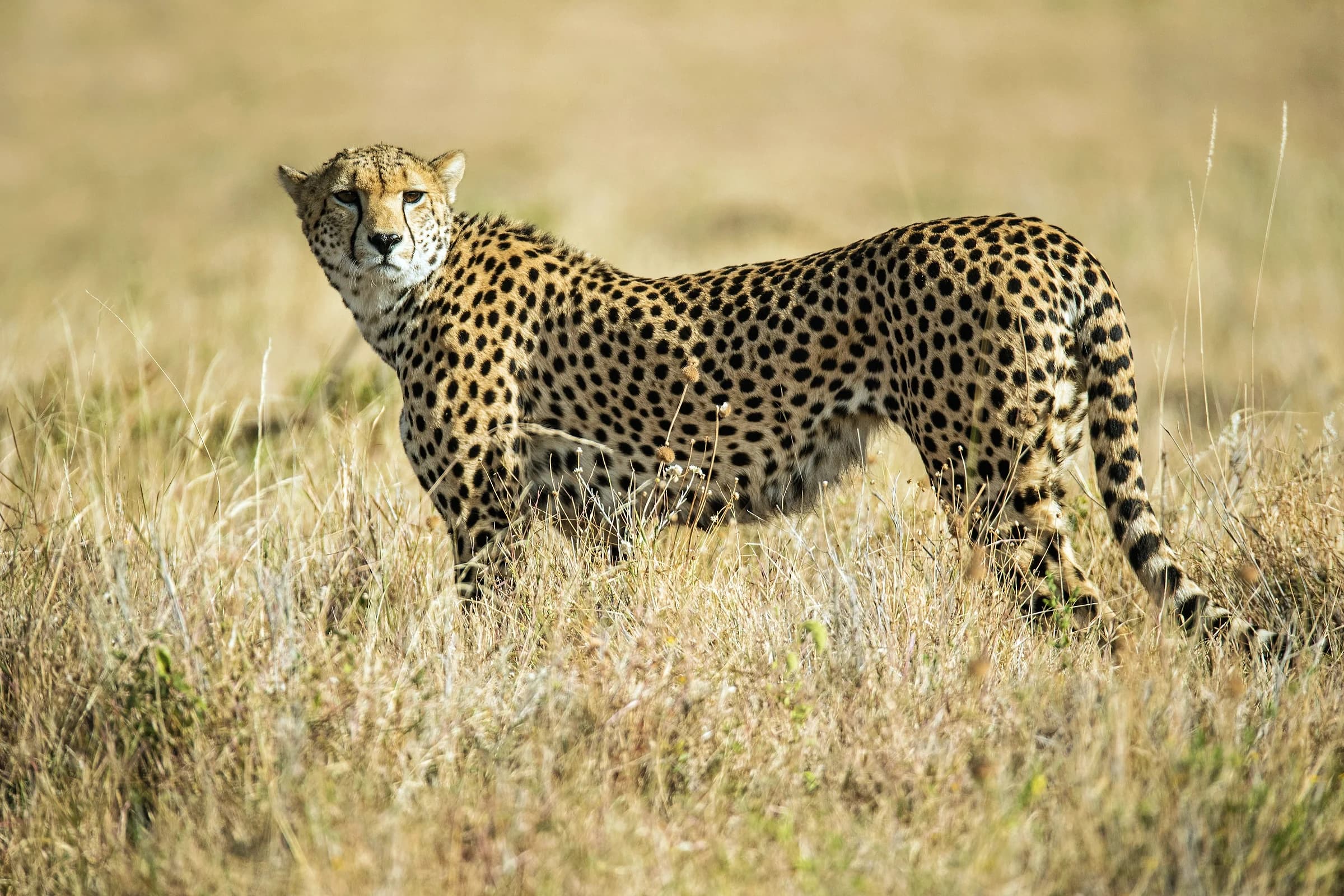
A route that stays strong even without a crossing: lions, cheetahs, leopards, Amboseli's elephants against Kilimanjaro and the sunrise balloon flight are not going anywhere
We are honest about the odds up front, so you decide with your eyes open rather than end up disappointed on the spot.
Seats and booking
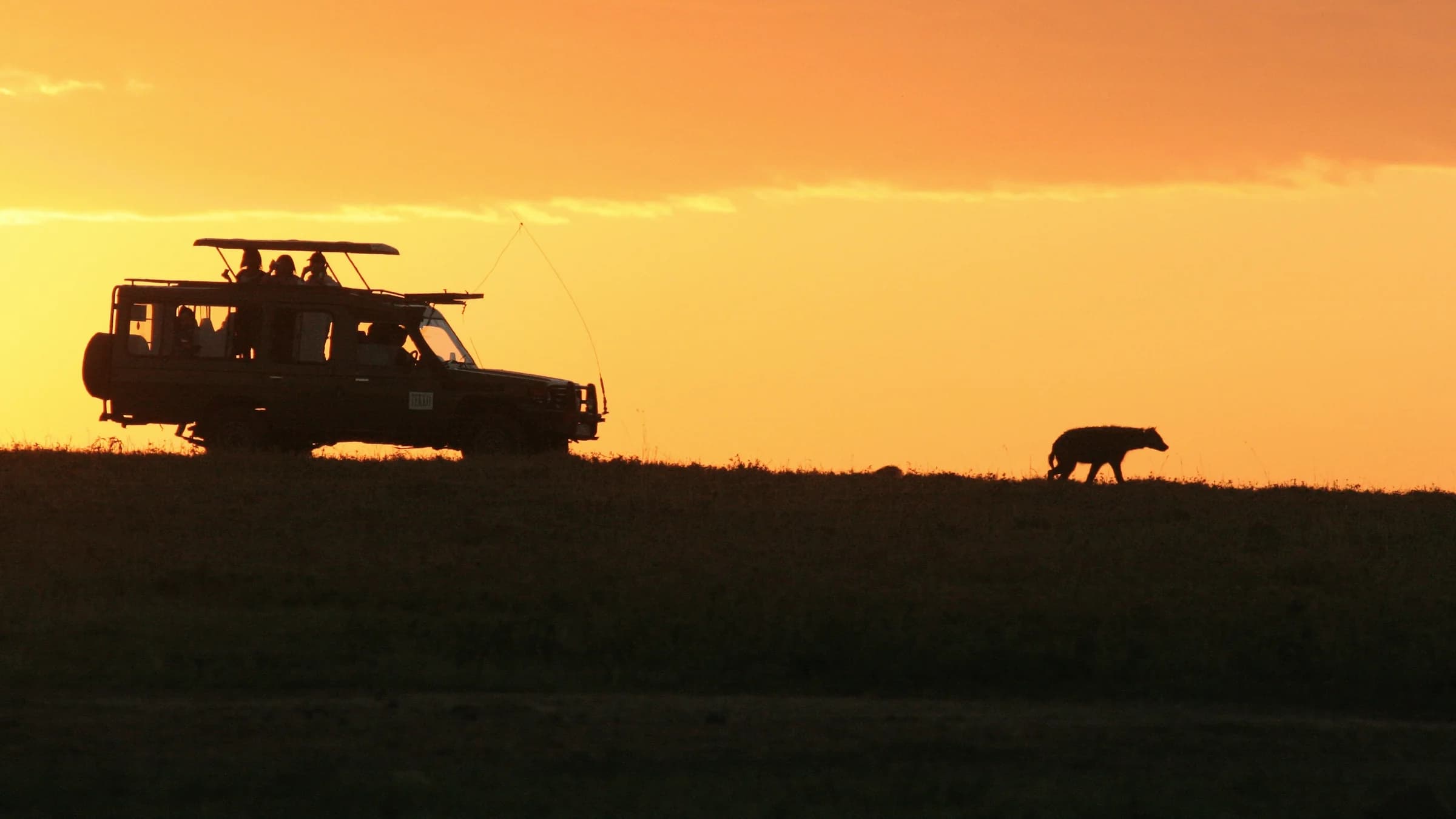
This is not a marketing trick: that is how many people fit into two six-seat vehicles, with a window seat for everyone. Any more and someone sits in the middle of the row, shooting over other people's heads.
Priceon request
Kenya: the Great Migration
Fill in the full formMore routes